
Food Franchise in India: Top 8 Brands & Their Real Costs (2026)
October 17, 2026
Food Franchise in India: Top 8 Brands & Their Real Costs (2026)
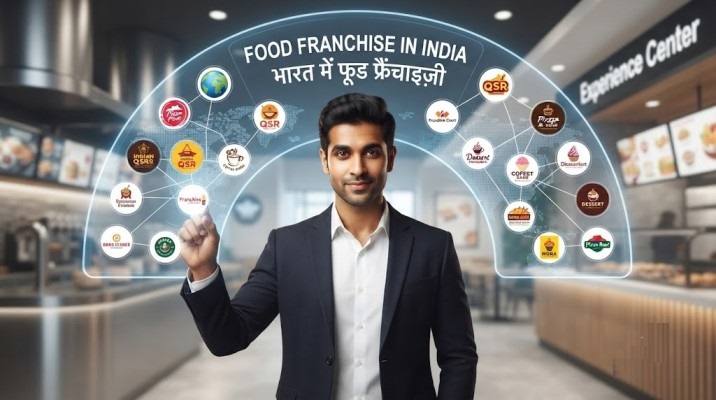
In India, a low-cost food franchise can start at ₹1.6 lakh (Maa Ki Chai kiosk) and go up to ₹25 lakh or more for established QSR brands. The top options for 2026 include Amul, Idli Point, Maa Ki Chai, Wow! Momo, Chai Point, La Pino’z, Bikanervala, and Haldiram’s — but their royalty structures and total costs vary sharply.
Most lists show only the franchise fee. This guide shows the total investment — fee, setup, working capital, and royalty — so you don’t run out of cash in month four.
One-Line Answer: Which Food Franchise Fits Your Budget?
₹2–5 lakh: Amul, Idli Point, Maa Ki Chai (zero or near-zero royalty).
₹10–25 lakh: Wow! Momo, Chai Point, Bikanervala Express, La Pino’z (royalty 4–8%).
₹25 lakh+: Haldiram’s, full-format La Pino’z, premium QSR (higher risk, higher ceiling).
Why this matters to you: Choosing a brand outside your budget band forces you to borrow for working capital — the #1 reason franchises fail in year one.
The 4 Costs That Decide If a Food Franchise Works
1. Franchise Fee
One-time, non-refundable in most cases. Ranges from ₹0 (Idli Point) to ₹15–30 lakh for premium brands.
2. Royalty (The Silent Profit Killer)
F&B royalty is typically 4–8% of monthly sales. On ₹8 lakh monthly sales, a 6% royalty takes ₹48,000 out before rent and salary.
3. Working Capital (Where Most Investors Fail)
You need 3–6 months of rent, salary, and stock before revenue stabilizes. This is ₹3–15 lakh depending on format and city. Most first-time buyers skip this.
4. Rent-to-Revenue Ratio
Keep rent below 15% of monthly revenue. Above 18%, even strong sales struggle to cover costs.
Why this matters to you: A brand with a low franchise fee but 8% royalty can cost more over 3 years than a brand with a higher fee and zero royalty.
Top 8 Food Franchises in India (2026): Cost & Model Comparison
1. Amul (₹2–6 lakh, Zero Royalty)
Amul’s no-frills model runs on a stock-and-sell basis. You buy from authorised wholesalers at a discount and sell at MRP. No royalty, no revenue sharing.
Preferred Outlet (100–150 sq ft): ₹1.85 lakh. Ice Cream Parlour (300 sq ft): ₹5–6 lakh. Monthly profit potential: ₹40,000–₹1.5 lakh in high-footfall locations.
2. Idli Point (₹2–3 lakh, Zero Franchise Fee)
South Indian QSR with zero franchise fee and zero royalty. Total investment: ₹2–2.95 lakh (setup + equipment + working capital).
Best for: food courts, tech parks, college areas. Space: 250–600 sq ft for the Eat n Go model.
3. Maa Ki Chai (₹1.6–2 lakh, Zero Royalty)
Chai kiosk model with a one-time fee of ₹1.6–2 lakh and zero royalty. Requires ~100 sq ft and 2 staff.
Break-even: 7–9 months in high-traffic locations. Best for first-time entrepreneurs testing the waters.
4. Wow! Momo (₹12–20 lakh, Availability Check Needed)
Homegrown QSR with strong brand recall. Online estimates place investment at ₹12–20 lakh for kiosk/compact formats.
Important: As of 2026, Wow! Momo does not have an open franchise program — most outlets are company-operated. Third-party figures are unofficial. Call before budgeting.
5. Chai Point (₹22–25 lakh + Brand Fee)
Café/campus format with investment of ₹22–25 lakh plus ₹75,000 + GST brand fee (FICO model).
This is a café model, not a kiosk. Expect higher rent and staffing costs than a chai kiosk.
6. La Pino’z Pizza (₹20–40 lakh)
Pizza QSR with investment in the ₹20–40 lakh band; some sources quote ₹50 lakh–₹1 crore for larger formats.
Monthly sales potential: ₹6–8 lakh with net margins of 20–27% for well-run outlets.
7. Bikanervala (₹15–30 lakh for Kiosk/Express)
The Express/Mithai Kiosk format sits at ₹15–30 lakh. Full dine-in formats are significantly higher.
Franchise fee alone: ₹15–35 lakh for full formats. Kiosk is the accessible entry point.
8. Haldiram’s (₹25 lakh–1.5 crore)
India’s legacy snacks brand. Kiosk formats start around ₹25 lakh; full QSR/dine-in goes up to ₹1.5 crore.
Strong festive demand and brand trust, but working capital needs are higher than kiosk models.
Why this matters to you: Two brands can have the same franchise fee but a 10–15 lakh difference in total investment because of royalty and working capital.
Investment & ROI Comparison Table (All 8 Brands)
| Brand | Total Investment (Est.) | Royalty | Format | Best For |
|---|---|---|---|---|
| Maa Ki Chai | ₹1.6–2 lakh | 0% | Kiosk (100 sq ft) | First-time, ₹2L budget |
| Amul | ₹1.85–6 lakh | 0% | Outlet / Parlour | Dairy + ice cream, zero royalty |
| Idli Point | ₹2–3 lakh | 0% | Eat n Go / Dine-in | South Indian, food courts |
| Wow! Momo | ₹12–20 lakh (unofficial) | Not public | Kiosk / QSR | Brand recall (verify availability) |
| Bikanervala | ₹15–30 lakh | 4–8% (est.) | Express / Kiosk | Sweets + snacks, family demand |
| La Pino’z | ₹20–40 lakh | 5–8% (est.) | QSR | Pizza, tier-2 growth |
| Chai Point | ₹22–25 lakh + fee | Not specified (FICO) | Café / Campus | Chai café, office hubs |
| Haldiram’s | ₹25L–1.5Cr | 4–8% (est.) | Kiosk to Dine-in | Legacy brand, festive sales |
Sources: FranchiseBazar (2026), SMFG India Credit (2026), Maa Ki Chai official (2026), T Vanamm (2026), Franchise India (2026).
City-Wise Cost Reality: Mumbai vs. Indore vs. Patna vs. Jaipur
The same brand can cost 40–60% less to open in a Tier-2 city because rent and deposit are lower.
| City | Rent (200–400 sq ft) | Impact on Break-Even |
|---|---|---|
| Mumbai | ₹60,000–2,60,000/month | 12–18 months (kiosk), 18–36 months (QSR) |
| Indore | ₹20,000–80,000/month | 8–12 months (kiosk), 14–24 months (QSR) |
| Jaipur | ₹20,000–80,000/month | 9–14 months (kiosk), 15–26 months (QSR) |
| Patna | ₹15,000–50,000/month | 7–11 months (kiosk), 12–22 months (QSR) |
Source: FranchiseBazar rent data and industry estimates (2025–2026).
Why this matters to you: A ₹15 lakh kiosk in Mumbai may take 18 months to break even, while the same brand in Patna can break even in 8–10 months. Tier-2 cities are not a compromise — they are a financial strategy.
Failure Rates & Hidden Risks Nobody Tells You
Only 40% of franchise outlets survive beyond their second year. For independent restaurants, 60–80% shut within 12 months.
Franchises improve survival odds, but they do not eliminate risk. The top three killers:
- Underfunded working capital: Rent and salaries do not pause while you find customers.
- Royalty + aggregator commission: 6% royalty + 20–30% Swiggy/Zomato commission can wipe out 25–35% of revenue before food cost.
- Wrong location: A kiosk with low footfall fails faster than a dine-in because it has no seating to build repeat visits.
Why this matters to you: The brand name gets customers through the door once. Your rent, royalty, and cash reserve decide whether they can afford to come back next month.
7-Point Checklist Before You Pay Any Franchise Fee
- Have I calculated total investment (fee + setup + 6 months working capital)?
- Is royalty below 8% (or zero)?
- Is my rent below 15% of projected monthly revenue?
- Have I spoken to 3 current franchisees (not just the brochure)?
- Does the brand have an open franchise program in 2026 (not just old listings)?
- Is the exit clause clear if I want to sell in 3 years?
- Do I have 6 months of personal expenses saved separately?
If the answer to questions 1, 4, or 5 is “no”, wait.
Final Verdict
₹2–5 lakh budget: Start with Maa Ki Chai, Idli Point, or Amul. Zero royalty means faster recovery.
₹10–25 lakh budget: Compare Bikanervala Express, Chai Point, and La Pino’z on total 3-year cost, not just franchise fee.
₹25 lakh+ budget: Haldiram’s and full-format QSR offer brand pull but demand professional management and higher cash reserves.
See verified food franchise options matching your city and budget:
View food franchise list on free-franchise.com →
Frequently Asked Questions (FAQ)
What is the biggest mistake first-time food franchise investors make in India?
Underestimating working capital. Most buyers budget for franchise fee and setup but ignore 3–6 months of rent, salary, and stock (₹3–15 lakh). This causes cash-flow failure even when the brand and location are good.
How much working capital should I keep aside beyond the franchise fee?
Keep 3–6 months of total operating costs. For a kiosk, this is ₹1–3 lakh. For a QSR, ₹5–15 lakh. This reserve covers rent, salaries, utilities, and supplier payments before revenue stabilises.
Is a lower royalty percentage always better?
Not automatically. A 0% royalty brand may have lower margins or stricter supply-chain control. A 6% royalty brand may provide stronger marketing and support. Calculate the annual rupee impact at your expected sales level, not just the percentage.
What makes Tier-2 and Tier-3 cities attractive for food franchises?
Rent is 50–70% lower than metros, and 78% of operators in Tier-2/3 cities expect break-even within two years, compared to longer timelines in metros. Lower fixed costs mean faster cash-flow recovery.
Can I get a food franchise under ₹5 lakh in India?
Yes. Maa Ki Chai (₹1.6–2 lakh), Amul Preferred Outlet (₹1.85 lakh), and Idli Point (₹2–3 lakh) are working options. All three have zero or near-zero royalty, which improves long-term profitability.
Does Wow! Momo offer franchises in 2026?
As of 2026, Wow! Momo does not have an open franchise program; most outlets are company-operated. Third-party investment figures (₹12–20 lakh) are unofficial. Verify directly with the brand before budgeting.